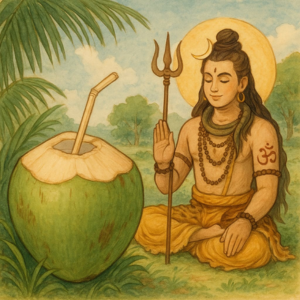
Connection between Tender Coconut and Sanatana Dharma (Hinduism)
The connection between tender coconut and Sanatan Dharma (Hinduism)—its spiritual significance, its role in rituals, and the logical reasoning behind its use in sacred practices.
Tender Coconut and Sanatan Dharma: A Sacred Symbol of Purity and Divine Offering
In Sanatan Dharma (Hinduism), every ritual and symbol has a deep meaning and purpose rooted in spiritual philosophy, natural elements, and cosmic principles. Among the most revered offerings in Hindu rituals is the coconut—especially the tender coconut, which represents purity, divinity, and the essence of life itself.
In this blog, we will explore the spiritual, symbolic, and logical significance of coconut in Hinduism, and why it remains central to Hindu rituals, festivals, and prayers.
The Sacred Coconut: More Than Just a Fruit
The coconut tree, also known as Kalpavriksha in Sanskrit, is regarded in Hindu texts as the “wish-fulfilling divine tree.” Every part of the tree—leaves, trunk, fruit, water—has a purpose and is used in daily life and spiritual rituals.
- In Sanskrit, the coconut is called “Sriphala” – meaning “fruit of the gods.”
- Tender coconut (elaneer) is used in rituals across South India, while mature coconut is widely used in North Indian rituals.
Coconut in Hindu Rituals: Key Uses
- Offerings in Puja (Prayer Ceremonies)
- Placed atop kalash (sacred pots)
- Offered to deities as a symbol of devotion
- Broken in temples as a form of symbolic surrender
- Used in Yagnas (Fire rituals)
- Offered into the sacred fire as a symbol of ego destruction
- Wedding Ceremonies
- Symbolizes fertility, auspiciousness, and the blessing of prosperity
- Vastu and Housewarming Ceremonies
- Breaking a coconut symbolizes removing negative energy and invoking divine blessings
- Temple Consecration
- Used in kumbhabhishekam rituals for purification and energizing deity idols
Symbolic Meaning of Coconut in Sanatan Dharma
| Part of Coconut | Symbolic Meaning in Hinduism |
| Outer Coir (Husk) | Ego and ignorance to be removed |
| Hard Shell | Human mind’s resistance—needs to be broken |
| White Kernel | Purity and divine self within |
| Sweet Water (Tender) | Nectar of inner wisdom and life energy |
Breaking a coconut is symbolic of breaking the ego, and offering the pure inner self to the Divine.
Ancient Scriptural References
- Skanda Purana and Agni Purana reference coconuts in rituals as a substitute for animal sacrifice, representing a bloodless, pure offering.
- Atharva Veda mentions coconut water as “Amrit” (nectar) due to its purifying and health-enhancing properties.
Logical and Scientific Reasoning Behind Coconut Use
- Sterility and Purity
Tender coconut water is naturally sterile when unopened. In ancient times, when clean water wasn’t readily available, coconut water was used as a pure offering, symbolizing uncontaminated devotion.
- During Vedic rituals, purity is paramount. Coconut water fulfills this requirement without any processing.
- Symbol of Life and Energy
Tender coconut water is rich in electrolytes and resembles amniotic fluid, symbolizing the origin of life. This life-affirming quality makes it ideal for:
- Abhishekam (ritual bathing) of deities
- Prasadam (blessed offering to devotees)
- Sustainability and Harmony with Nature
Unlike synthetic or commercial offerings, coconuts are eco-friendly, biodegradable, and locally sourced, aligning with Sanatan Dharma’s principles of living in harmony with nature (Prakriti).
Why Is the Coconut Not Just Any Fruit?
Unlike most fruits:
- The coconut does not spoil quickly, making it ideal for rituals
- It has three eyes on the shell, often compared to Lord Shiva’s third eye
- The self-contained water makes it a symbol of self-sufficiency and wholeness
A Deeper Spiritual Interpretation
Coconut represents the human journey in Sanatan Dharma:
- The rough outer husk is like our worldly attachments and ego.
- The hard shell signifies our rigid thoughts and ignorance.
- When we crack it open in surrender to God, we reveal the soft, pure self and the nectar of divine wisdom.
The Tender Coconut in South Indian Rituals
In South Indian temples and homes, the use of elaneer (tender coconut) is common in:
- Abhishekams (ritual bathing) of Shiva, Vishnu, and Devi
- Navagraha pujas for planetary blessings
- Ayudha Puja and Pongal as symbols of health and prosperity
Final Thoughts: Coconut as a Spiritual Offering and Life Symbol
In Sanatan Dharma, the use of coconut is a beautiful fusion of spiritual depth, natural wisdom, and symbolic purity. From Vedic rituals to modern temple traditions, it stands as a reminder of:
- Letting go of the ego
- Living in purity
- Connecting with the divine essence within
So, the next time you see a coconut offered at a temple or cracked during a ritual, remember—it’s not just a fruit. It is a symbol of cosmic life, purity, and spiritual awakening in Sanatan Dharma.
References
- Agni Purana, Chapter 249 – Ritual objects and offerings
- Skanda Purana – Mentions of coconut as holy fruit
- Atharva Veda – References to tender coconut water as sacred
- Indian Journal of History of Science – “Botanical symbolism in Vedic rituals”
- Ayurvedic texts on coconut’s health and purification value