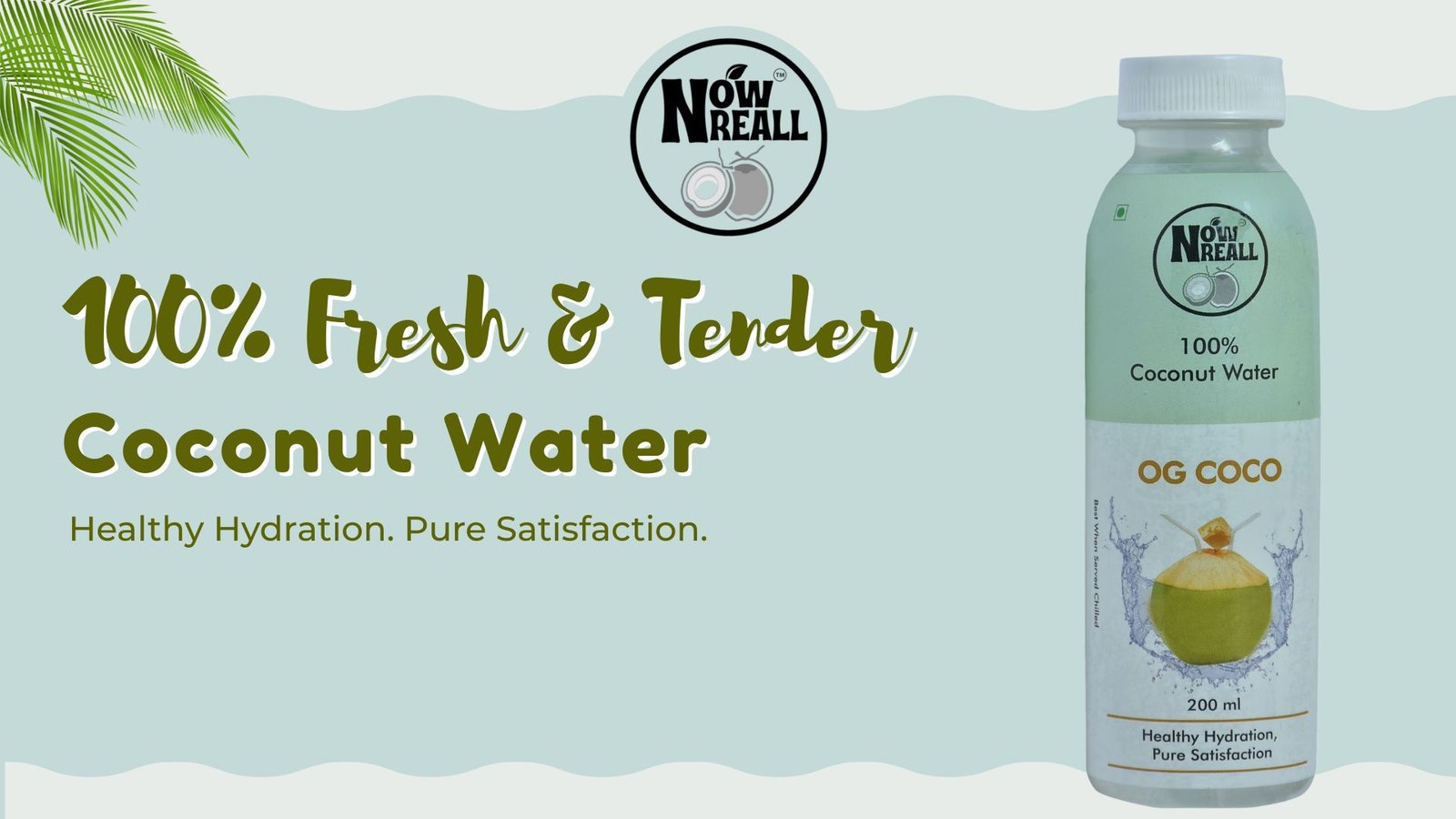
Tender Coconut Water: A Natural Elixir for Healthy Aging
As people age, maintaining good health becomes increasingly important to preserve self dependency, mobility, and quality of life. Natural dietary interventions provide significant support. Among these, tender coconut water—also known as green coconut water or elaneer in South India—stands out as a potent, nutrient-rich beverage that offers a variety of health benefits for elderly individuals.
In this blog, we’ll explore scientific facts, nutritional insights, and data-backed reasons why coconut water can be a valuable part of an elderly person’s diet.
What Is Tender Coconut Water?
Tender coconut water is the clear liquid inside young, green coconuts (typically harvested at 6–7 months of age). Unlike mature coconut milk, which is high in fat, tender coconut water is low in calories, fat-free, and packed with electrolytes, antioxidants, and micronutrients.
Health Benefits for the Elderly
- Supports Heart Health
Potassium in coconut water helps regulate blood pressure, a critical issue among older adults. Studies show potassium can help lower systolic blood pressure by 3–5 mmHg on average. Systolic BP is the top number in the BP reading, which measures the pressure in arteries when the heart beats and pumps the blood out to rest of the body.
- A study in the West Indian Medical Journal (2005) found that coconut water significantly lowered blood pressure in 71% of participants.
Additionally, the magnesium content aids in maintaining a healthy heartbeat and preventing arrhythmias (problems related to the rate or rhythm of your heart beat.)
- Prevents Dehydration and Electrolyte Imbalance
Elderly individuals are more prone to dehydration due to a reduced sense of thirst and changes in kidney function. Coconut water contains five key electrolytes:
- Potassium
- Sodium
- Magnesium
- Calcium
- Phosphorus
These help rehydrate the body better than plain water, especially after illness, diarrhea, or heat exposure.
- Cognitive Support and Mental Clarity
Tender coconut water is rich in antioxidants like cytokinins and vitamin C, which help reduce oxidative stress in the brain. Oxidative stress is linked to cognitive decline, Alzheimer’s, and Parkinson’s disease.
- A 2016 study in Oxidative Medicine and Cellular Longevity indicated that coconut water reduced oxidative damage in the brains of aging rats.
While more human studies are needed, the results are promising.
- Supports Muscle and Joint Function
Magnesium and potassium are essential for muscle function and preventing cramps. Calcium supports bone density, which declines with age.
Furthermore, coconut water has natural anti-inflammatory properties that may help reduce joint pain associated with arthritis.
- Improves Kidney Function and Prevents Stones
Due to its high potassium and diuretic properties, coconut water can support kidney health by helping flush out toxins and reduce the risk of kidney stone formation.
- Research published in Biomed Research International (2018) found that coconut water significantly reduced the number of crystals in kidneys in rats with kidney stones.
- Blood Sugar Friendly (When Consumed in Moderation)
Coconut water has a low glycemic index (~3) and contains compounds that may improve insulin sensitivity.
- A 2015 study published in Food & Function showed that coconut water had a hypoglycemic effect in diabetic rats, lowering blood sugar levels and oxidative stress.
For elderly individuals with type 2 diabetes, unsweetened coconut water can be a better alternative to sugary drinks.
How Much Coconut Water is Safe for Elderly People?
A typical serving size is 200–250 ml/day. Overconsumption (e.g., more than 2–3 cups per day) may cause potassium to rise too high in those with kidney disease. Always consult a healthcare provider, especially if taking blood pressure or kidney medications.
Tips for Choosing the Best Coconut Water
- Fresh is best: Direct from the coconut is the most natural form.
- If bottled, look for:
- “100% Coconut Water”
- No added sugars or preservatives
- Avoid “from concentrate” varieties
Final Thoughts
Tender coconut water is more than just a refreshing drink—it’s a natural, nutrient-rich powerhouse that supports hydration, heart health, muscle function, and even cognitive well-being in older adults.
With its low calorie and high electrolyte content, it can be a gentle, effective dietary tool for maintaining vitality and preventing age-related health issues.
Incorporating a glass of fresh coconut water a few times a week could be one of the simplest ways for seniors to boost their overall health—naturally.
References
- Alleyne T, et al. “The control of hypertension by use of coconut water and mauby: two tropical food drinks.” West Indian Med J, 2005.
- Yong J, et al. “Coconut water ameliorates oxidative stress in diabetic rats.” Food & Function, 2015.
- Patel DK, et al. “Coconut Water: Natural Beverage with Therapeutic Potential.” Asian Pacific Journal of Tropical Medicine, 2012.
- Anurag P, et al. “Coconut water reduces crystal deposition in kidneys.” Biomed Research International, 2018.
- USDA National Nutrient Database.